
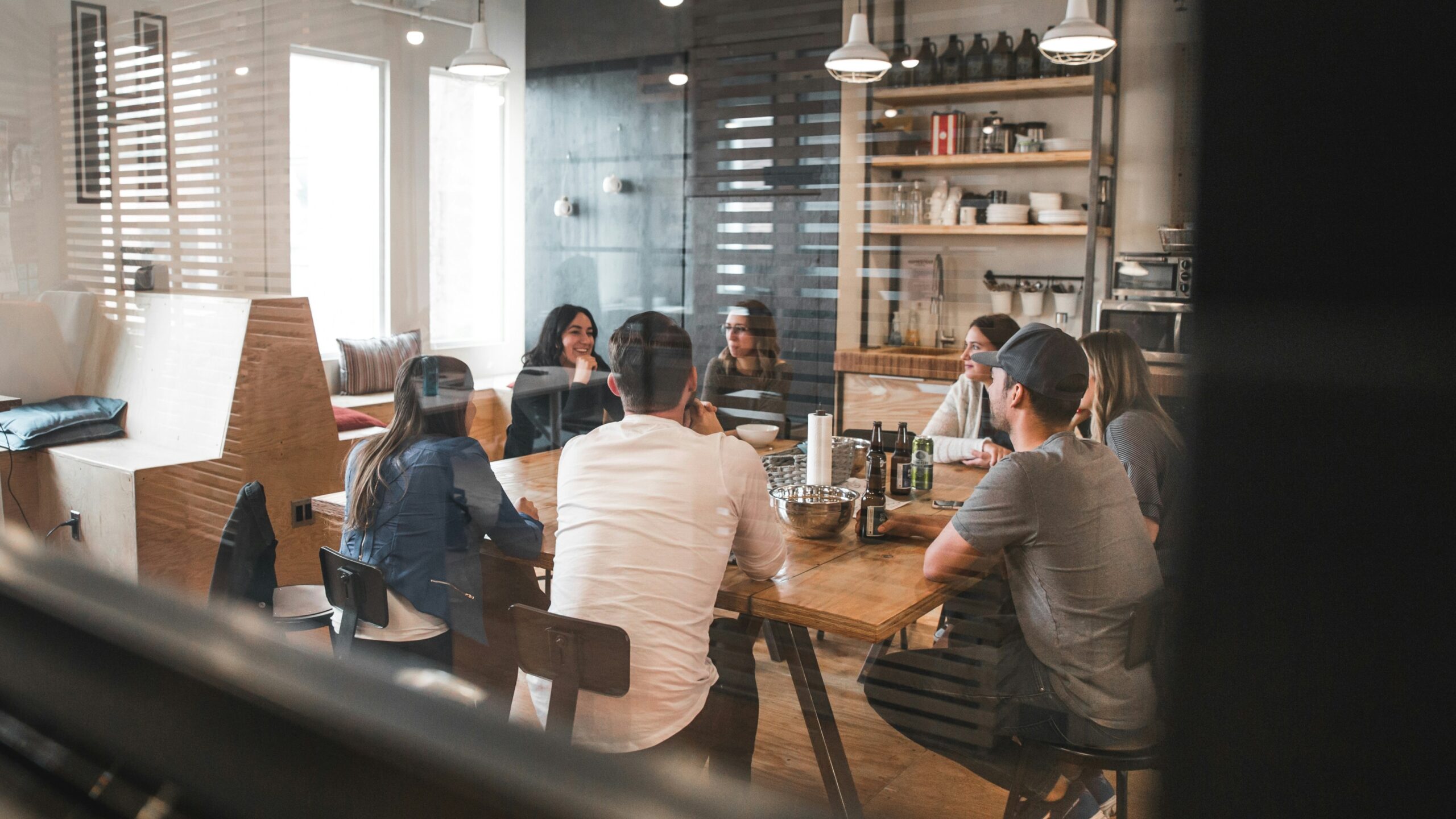
My office rarely looks the same two weeks in a row. Sometimes it’s a quiet café in Lisbon with chipped wooden tables, sometimes a co-working space in Bali where the Wi-Fi drops exactly when you need it most. I design digital products for a living, but the road has quietly become my most influential design teacher.
When you move often, you start noticing friction everywhere. A train ticket app that assumes perfect connectivity. A food delivery interface that doesn’t understand local addresses. A sign-up flow that breaks the moment your phone number has a different country code. These small frustrations follow me across borders, and they remind me why good user experience isn’t about trends—it’s about empathy.
Working remotely sounds glamorous, and sometimes it is. Sunrises in new cities, conversations with strangers who become temporary friends, the freedom to choose your environment. But it also means designing while jet-lagged, presenting wireframes at odd hours, and testing prototypes on shaky internet. Those constraints shape how I think. I design lighter interfaces now. Clearer copy. Fewer assumptions about bandwidth, devices, or cultural context.
Travel has also changed how I collaborate. When your team is spread across continents, meetings become intentional. You learn to listen better, document clearly, and respect time zones as if they’re personal boundaries. In many ways, distributed work mirrors good UX: clarity over clutter, flexibility over control.
What surprises people is how grounded this lifestyle makes you. Constant movement forces routines. Morning walks before opening Figma. Journaling ideas on night buses. Reviewing feedback while waiting at airports. You stop chasing perfection and focus on usefulness. Does this solve a real problem? Can someone understand this in five seconds? Will this still work when conditions aren’t ideal?
Design, like travel, is about navigating uncertainty. You start with a plan, adjust along the way, and learn from every wrong turn. Each city leaves a mark on how I think, how I design, how I see users—not as personas on a slide, but as real people navigating imperfect systems.
I may not have a fixed desk, but everywhere I go, I’m designing with the same goal: make things feel simpler, no matter where you are.